
Here’s a question for you:
What led you to click on this article?
Was it to prove that you are the ultimate conqueror of clickbait? Maybe you were lured in by my machination of a title? …Or perhaps you were just bored and wanted an escape from the monotony of daily life.
Regardless of why you clicked, one thing is certain: clickbait is everywhere — using flashy titles only to leave a void of disappointment. But why? And does it even work?

Defining Clickbait
Clickbait, as defined by Merriam-Webster, is “something designed to make readers want to click on a hyperlink especially when the link leads to content of dubious value or interest.”
While clickbait usually comes in the form of sensationalized, over-the-top headlines, it can also appear in many other kinds of media, such as:
- Videos
- Images
- Memes
- Social media posts
Additionally, with the rise of AI-powered technology such as ChatGPT, it’s become even harder to tell what’s real and what’s fake. Fortunately, no matter what form clickbait decides to take, there are some giveaways that you can use to decide whether or not what you’re looking at is truly reliable, or just farming for views.
Key Traits of Clickbait
Generally, to catch clickbait, pay attention to:
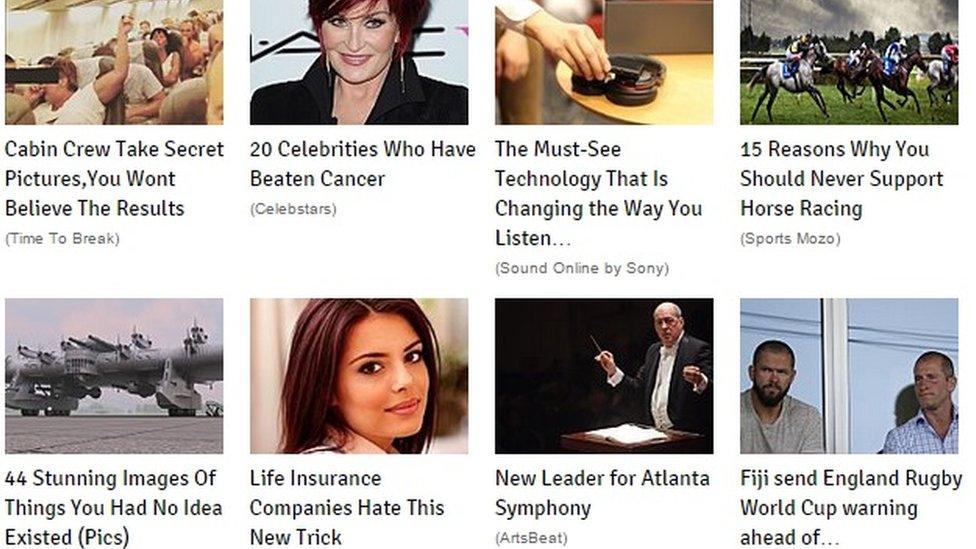
- Diction (word choice) — Is there evident exaggeration (i.e. “greatest,” “mind blowing,” etc.) or use of slang (i.e. OMG, BFF, etc.)?
- Structure — Is it framed as interrogative (takes the form of a question) or as a listicle (concisely lists easily understood information)?
- Tone — Does it use capitalization, emojis, hashtags, punctuation or any other devices that come across as informal?
Knowing this, you’ve probably already picked up on how I’ve subconsciously used some of these strategies throughout this article. However, why exactly do these methods work?
The Psychology of Clickbait
Ever since the dawn of time, us humans have understood one concept: more information equals a higher likelihood of survival. Thus, clickbait takes advantage of this primitive urge to seek out information by promising to give it to us if we click that link.
Additionally, dopamine — a hormone typically associated with pleasure — is released whenever we choose to satisfy that “itch” for information. While we may be satisfied after obtaining said “information,” the quality (or lack there of) leaves us disappointed — creating a cycle of negative reinforcement.
The “Vegas Effect”
More specifically, clickbait builds up anticipation in a phenomenon known as the “Vegas Effect,” or “variable ratio reinforcement.” It’s essentially the embodiment of every time you’ve thought “just one more…” or “maybe this time,” which leads people to keep clicking in hopes of striking the information jackpot.
In other words, your brain is naturally tempted to gamble with information — driven by a desire to be “in the know.” Being in on that secret, something that only the group has access to, is incredibly tantalizing. After all, being part of the group comes with other exclusive perks such as:
- Increased chances of success — other members hold you accountable
- Facilitated development of positive behavior — adopting the behavior becomes part of the “cultural norm”
- Social coherence — synchronization of movements in groups increases feelings of cooperation, trust, and group identity

Now if clickbait can supposedly offer these supposed perks, this leads us to the unthinkable, and seemingly no-brainer, question:
Is Clickbait Bad?
Now, I know that proposing such an idea is utterly preposterous — how could these attention-grabbing, deceptive ploys be good?
It seems ridiculous, but what if there was a way to use it instead of it using you? While clickbait of any kind shouldn’t be given serious weight, turning the tables is possible with a little bit of strategy.
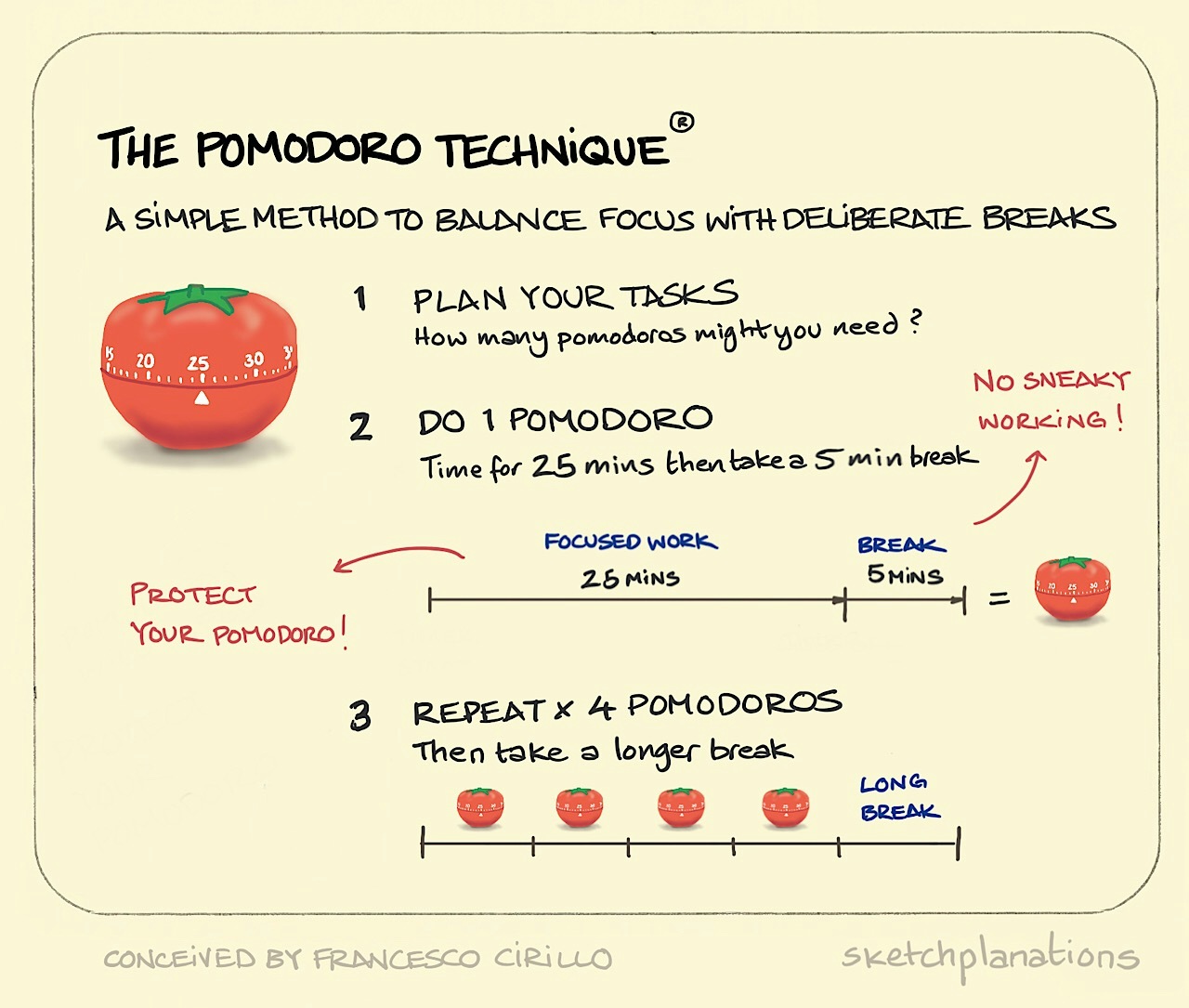
Using something known as the Pomodoro Technique is a structured way to manage your mental resources and time, and it’s pretty straightforward. Here’s a brief, step-by-step guide to following one:
- Set a goal you’d like to accomplish beforehand (like studying for that exam you’ve been putting off).
- Set a 25-minute timer or find one online, where you get rid of all distractions and focus on the task you have in mind.
- Take a 5-minute break — noting what you’ve accomplished.
- Repeat. After 4 cycles of this, take a longer break of 15 – 30 minutes (this is where the clickbait comes in handy!)
As long as you maintain awareness of what you’re consuming, clickbait can be utilized as lighthearted fun for all the hard work you’ve just done — effectively giving yourself the reward it refused to give you.
So, think you’re a clickbait detective? Test out your skills here.