The excitement around Orion landing makes people believe the Artemis II mission is over. It is, in fact, not done yet. Now there are many studies that have to happen after the Orion and to the crew themselves. But first, let’s talk about what happened behind the scenes before Orion even took off in the first place.
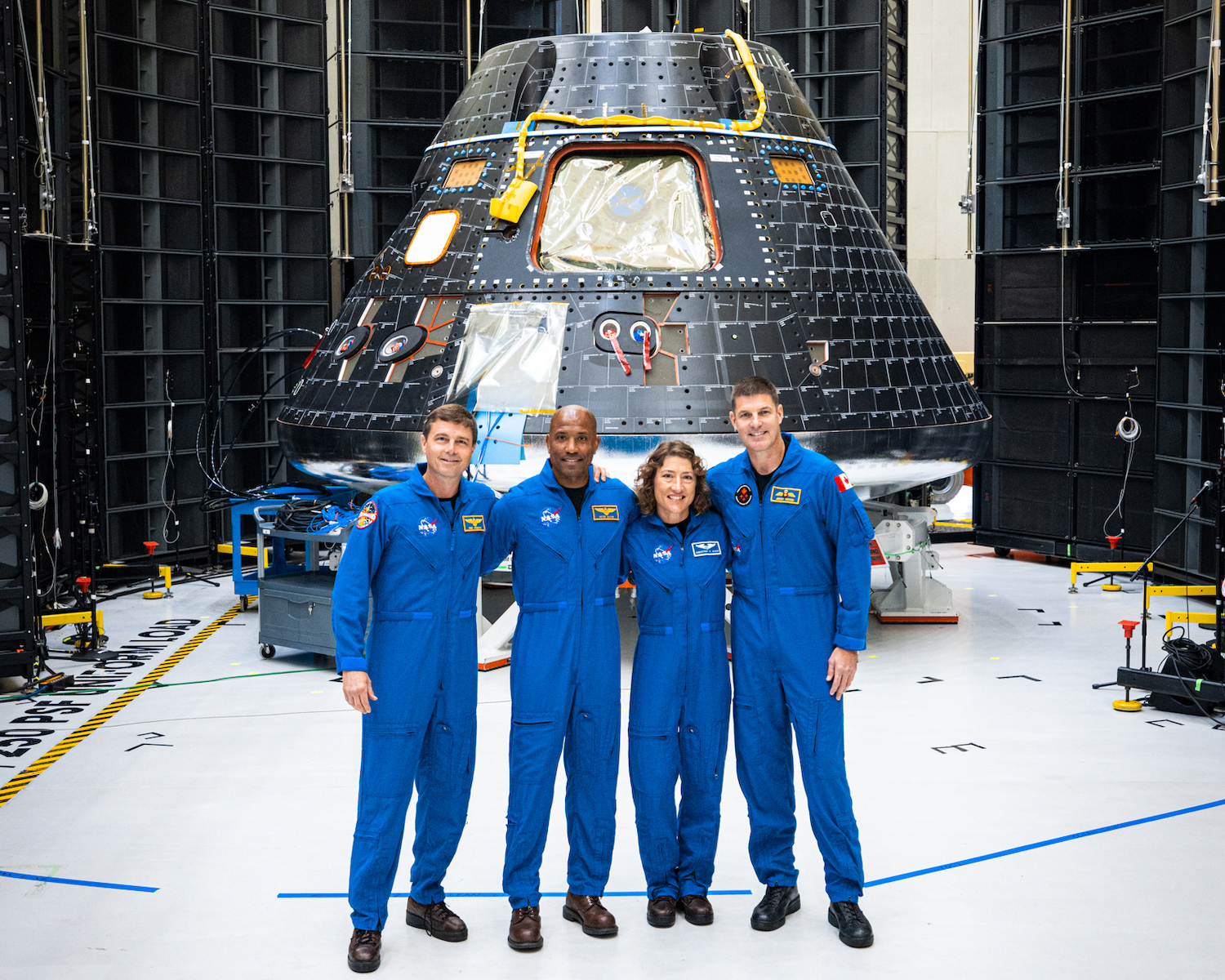
Within Artemis II there are many ‘firsts.’ Like how the Artemis II crew is the first crew to go farther than the moon in space due to their job of flying around the moon. Or how Reid Wiseman, the commander of the Artemis II crew, was the oldest man to leave Earth’s orbit. Or how Victor Glover was the first man of color to leave Earth’s orbit, or Christina Koch was the first woman and how Jeremy Hansen was the first non-US citizen to leave Earth’s orbit. The Artemis II crew is filled with firsts that make history for the world.
“As the awe-inspiring Artemis II mission carries astronauts around the Moon and back, it’s putting decades of mathematical research to the test,” states Patty Housman. This is true: the math for the Artemis II mission goes back many years, all the way back to Apollo I. The math behind it all keeps helping the teams behind Artemis make more and more calculations to help future astronauts get to a place hopefully farther than the moon.
Reid Wiseman told reporters, “When I look at the future, when we talk about what is our legacy, I don’t want to look five years or 10 years in the future. I want to look 100 or 200 years in the future. Honestly, this is where I thought it may land wrong: I hope we are forgotten.” He says this, believing that hopefully hundreds of years in the future the world would have made so much progress in space travel that the Artemis II mission was simply a past memory.
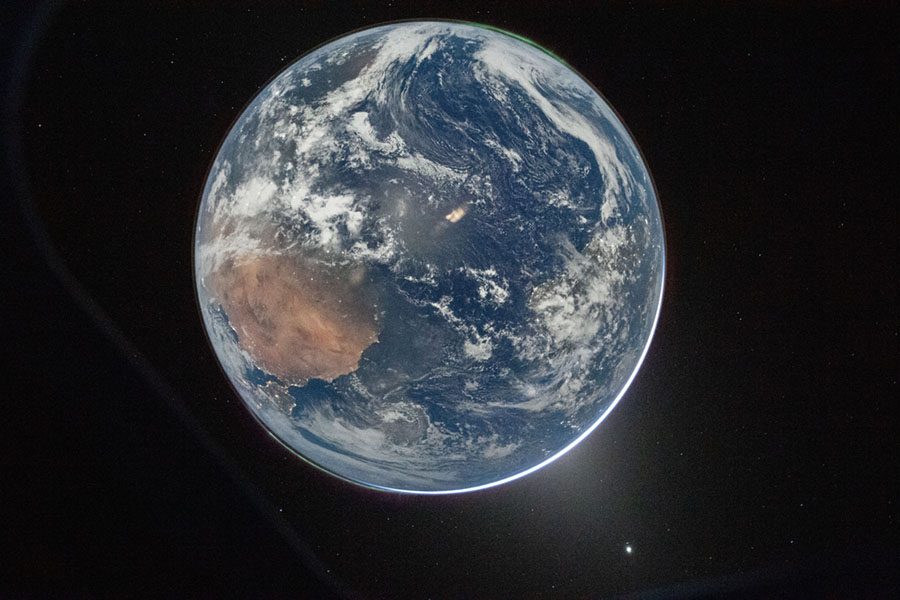
Before Artemis II went into launch, the NASA team had to do a lot before they even made the rocket. Lots of calculations were made such as possibilities for leaving Earth’s atmosphere and what would be needed for human life to survive the reentry into our atmosphere. Those calculations include fuel needs, when and where they should launch, and how fast they should go in order to intercept the moon’s atmosphere and orbit.
Due to the fact the last time human life left Earth’s atmosphere was over 50 years ago, many calculations were made and many “what-if’s” were brought up when planning. For example, the heat shield and how they make it so it doesn’t harm the astronauts. Yes, people leave Earth a lot in order to go stay in and do research in the ISS (International Space Station) but leaving Earth’s atmosphere hasn’t happened since Apollo 17 which is the predecessor to the Artemis Missions.
Within the “what-if’s” of creating a rocket to send a team of astronauts farther than anyone in history many worries surfaced. The worries of fuel, errors in calculations, or the lunar slingshot– when the Orion uses the Moon’s orbit to sling shot around it in order to excel back to Earth– wouldn’t work.
Northrop Grumman is a company that, having produced more than 1.3 million solid rocket motors, is a huge leading provider of propulsion technology that helps power some of our world’s most challenging and vital missions.
When building the rocket, a major part of building the rocket is the fuel to get the Artemis II crew out of both Earth’s atmosphere and orbit. In the Northrop Grumman article it talks about twin solid rocket boosters; over 7.2 million pounds of thrust and critical safety motors. These thrusters and fuel were the first successes to a 10-day-long mission.
During the original calculations of Artemis II the first rocket to send humans past Earth’s Atmosphere in over 50 years, too many what if’s could be considered. It’s almost like the world was back on Apollo 11 trying to calculate what-if’s yet this time we had more information. Yet we still had all the same worries.
Many people on the Artemis II team have their own unique, specific jobs, like Hannah Hopkins who is a software engineer. She creates launch simulators to help other engineers visualize the possibilities of what could happen in the event that something does go wrong.
People throughout NASA can work in both teams or individually, but most work in teams. Within the teams they are usually all equal depending on the field but in some occasions there is a hierarchy. Usually it consists of a leader, some higher-level workers, and other normal workers.
People like Jared Isaacman, who is the director of NASA, have many responsibilities. Jared Isaacman is the 15th Administrator of NASA (National Aeronautics and Space Administration). He does things like making many final decisions and deciding what’s best for a mission.
Overall, people do not truly know what goes on behind closed doors at NASA especially when they are planning something big. But what we do know is that they are always doing amazing. things to evolve the world’s knowledge of space travel.
Sources:
Featured Image: https://arstechnica.com/space/2023/08/nasas-artemis-ii-crew-meets-their-moonship/