
If you’ve kept up with news or pop culture recently, you’ve probably seen important events from the Winter Olympics. We saw various impressive athletes, one of them being Eileen Gu. She has been quite the hot topic lately, not just because she’s a talented skier who simultaneously works as a model and university student, but also because she plays for Team China. Now, why is this such a big issue to people, you may ask? She’s American.
Eileen Gu isn’t the Only One
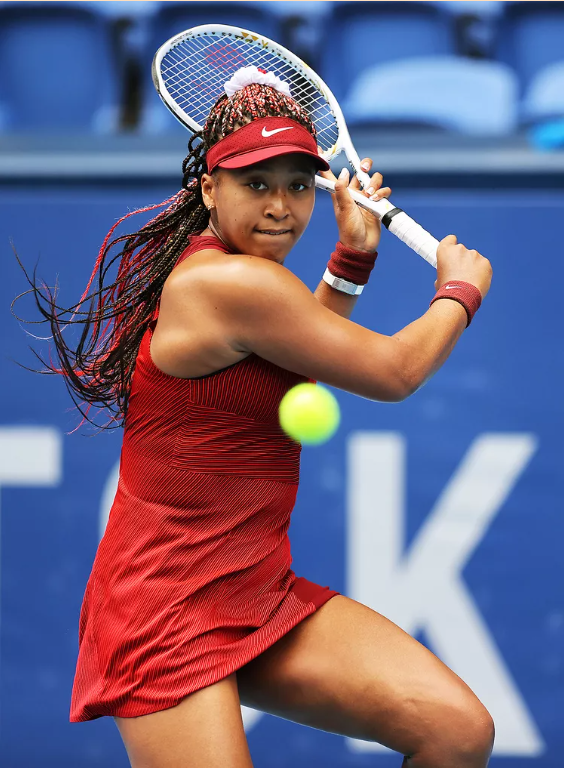
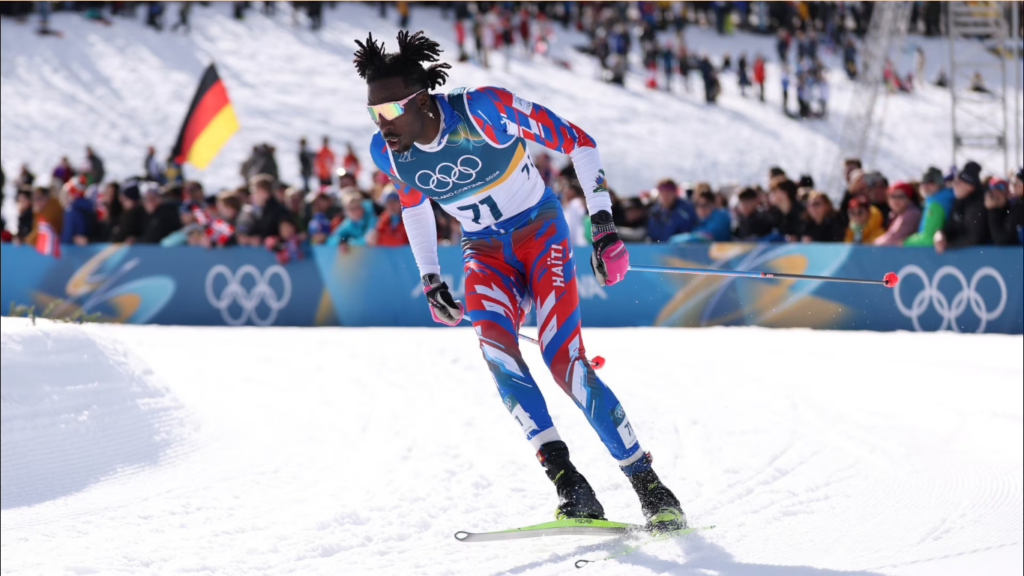
Gu is not the first, and definitely won’t be the last, American athlete to compete for another country. A prime example would be Naomi Osaka, who grew up in Long Island, but gave up her US citizenship to represent her birth country of Japan, where she has not lived since she was 4 years old. There is also Zoe Atkin (Great Britain), Tallulah Proulx (Phillipines), Nicholas Novak (Czech Republic), Lyon Farrell (New Zealand), Jacquie Pierri (Italy), Winston Tang (Guinea-Bissau), Anabelle Zurbay (Ireland), etc. And it’s not just Americans: there are plenty of athletes who compete for countries they weren’t born in or haven’t seen since early childhood. Examples include people like soccer player Chong Taese, Nordic skier Stevenson Savart, alpine skier Richardson Viano, as well as many players from the Palestine National Football Team.







In fact, playing for foreign teams is not that uncommon in soccer, with the UAE and Qatar being the main culprits since their national football teams contain players from countries that are more well known for soccer, like Brazil. The Malaysian National Football Team actually got into a scandal recently regarding its foreign-born players. Essentially, foreign players’ formal documents were fabricated to make them eligible for Malaysian citizenship. Those actions involved claiming that the players’ grandparents were born in Malaysia, which was investigated by FIFA and proven to be false.
The Divided States of America & Question of Patriotic Obligation: What Happened to Freedom of Choice?
Eileen Gu has faced quite a bit of backlash, specifically from politicians, because she’s chosen to represent China despite being born and raised in the US. However, as discussed earlier, Gu is simply one of many American athletes who choose to represent other countries. What makes her so distinct from the rest that she gets openly criticized by J.D. Vance? Fame and success is likely the answer. Eileen Gu won Gold in Women’s halfpipe, Silver in Women’s big air, and Silver in Women’s slopestyle. Her work as a model also catches the public’s attention and helps her in promoting China’s national team. The anger directed toward Gu’s mere decision seems less about her being a US citizen and more about her extremely successful career not benefiting the US.


With the rise of ICE raids, the outrage at Eileen Gu is strange. Yes, unlike Naomi Osaka, Eileen Gu was born in the US. However, even people with birthright citizenship, legal status, and Native Americans have been arrested by ICE before, so how is the rhetoric of “go back to where you came from” supposed to apply to this situation? She technically did just that.
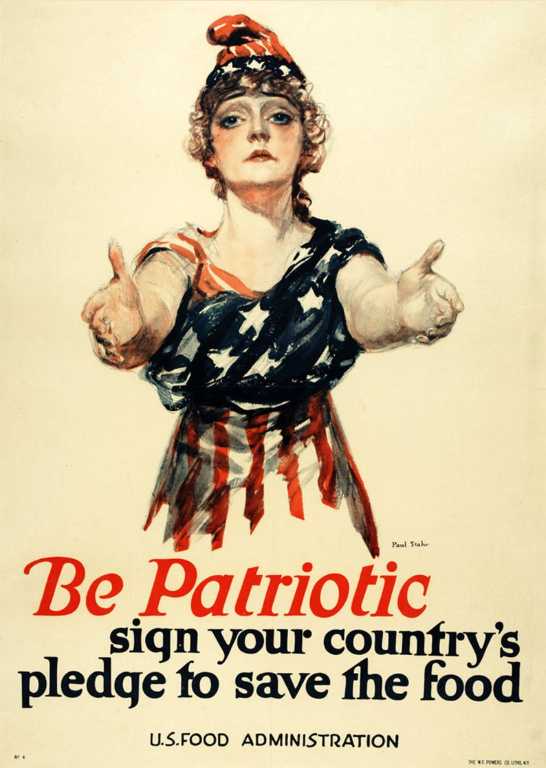
This ties into a lengthy history of what it means to be an American and “patriotic duty”. American nationalism was originally created to unify patriots to fight against England for independence, and would be used to serve more purposes later on. Another example would be the encouragement of regular civilians to ration food for soldiers during World War 1. This act was practically treated like a duty every person had to follow. There was also the Vietnam War, when lotteries were pulled to select American males for military service. If someone’s birthday got pulled, they were required to go. If they refused, they would face severe penalties.


Muhammad Ali is a major example. Similar to many civil rights activists, Ali refused to serve in the military. He was stripped of his titles as a boxer and sent to jail for draft evasion. The reason he refused was because of his beliefs as a Muslim. He famously declared “The real enemy of my people is right here” because of the discrimination African Americans were facing in the US. The general rationale was that people should not fight for a country that wouldn’t fight for them.
The Importance of Representation
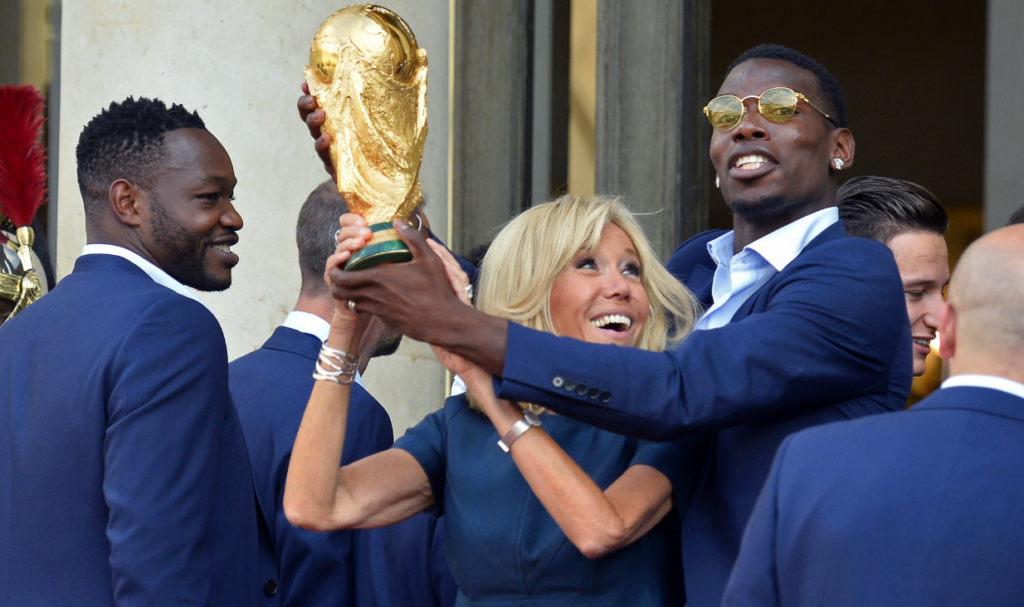
In 2018, a French ambassador got upset at a comment South African comedian Trevor Noah made about the French National Football Team. On the Daily Show, Noah mentioned a tweet about the French National Football Team’s African players and joked that “Africa won the World Cup”, which Gerard Araud did not appreciate. Araud responded “Unlike the United States of America, France does not refer to its citizens based on its race, religion, or origin. To us, there is no hyphenated identity” to which Noah would discuss in a segment of the Daily Show, called BetweenTheScenes. Noah explained that race is integral to identity and how it shouldn’t be ignored. Yes, the players are French, but that shouldn’t deny them of their African heritage and identity. Nine African countries have qualified for the World Cup 2026, while SIXTEEN European countries qualified. Also, the most successful teams in the World Cup tend to be European or Latinamerican. Due to the deficiency in representation, fans look towards the European and Latinamerican teams, which tend to be racially diverse.
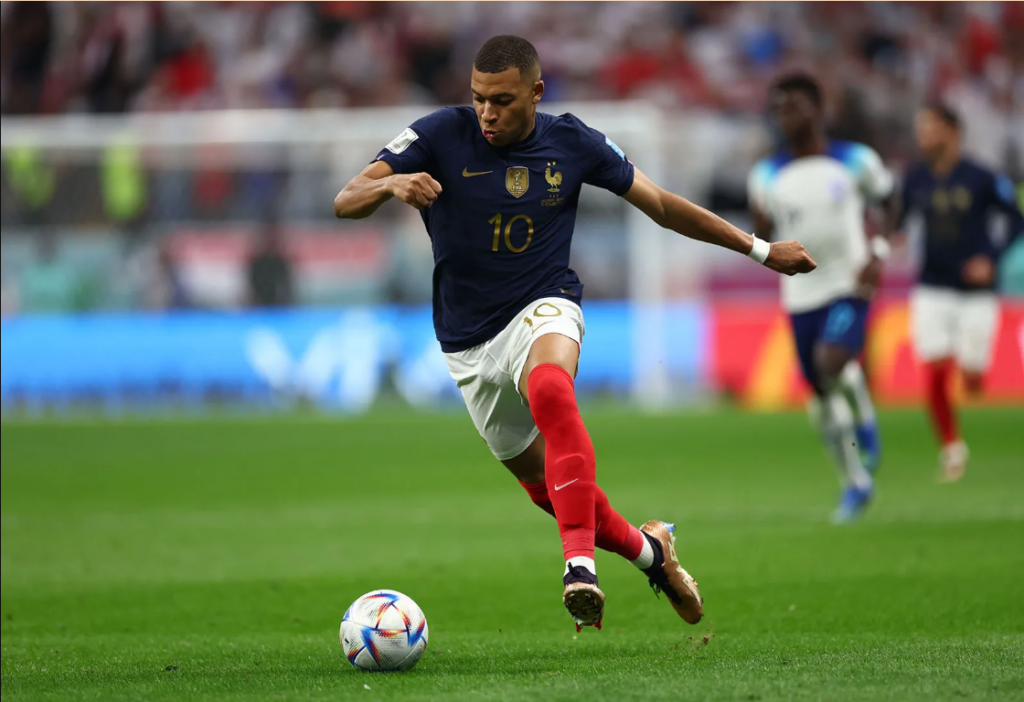
The French National Football Team is no stranger. One of their most famous players is Mbappe, who is half Sawa (ethnic group from Cameroon) and half Kabyle (ethnic group from Algeria). Mbappe’s role model is Zinedine Zidane, who is also Algerian-French and led a diverse team to win a game for France in 1998, angering nativists at the time. This becomes a topic of discussion on the double standards Black people and other minority groups face in the French public eye. When someone makes a grand achievement, they’re French. If they commit a crime, they’re “other” and “other” is bad. There’s this strange mentality that being anything other than French is morally wrong and so hyphenated identity is ignored through a colorblind lens.
Also, remember how I mentioned earlier that many national soccer teams have foreign players. Well, it isn’t always for money or because they’re not good enough for their own countries’ teams. Some countries are just heavily underrepresented in certain sports. For example, about half of the Palestine National Football Team was born outside of Palestine. However, all of them are ethnically Palestinian and descend from people who likely left Palestine due to conflicts with Israel, that have taken place throughout the 20th century into today. Palestine was also not recognized as a member by FIFA until 1998, so they didn’t even start participating in the Asian Cup until pretty recently.
All of this is to say that Eileen Gu has very valid/understanding reasons for choosing to represent the country her family’s from.
Hypocrisy
Sometimes, Americans play for other countries, but there are also athletes from other countries who compete for us. This is especially evident in baseball leagues. According to the Institute for Immigration Research, it states that “Since 1871, foreign-born MLB players have comprised approximately 12 percent of all players”. Ask a person to name a foreign baseball player who has played for an American league and they could easily name one: Juan Marichal, Robinson Canó, Junghoo Lee, Shohei Ohtani, etc. Therefore, it is contradictory to criticize American athletes to benefit other countries when not just our national teams and leagues reap the benefits of foreign workers without protecting them. Giants outfielder Junghoo Lee got detained by ICE at LAX earlier this year, making it clear that money and success can’t always protect people.
Conclusion
At the end of the day, individuals are entitled to make their own decisions. It becomes quite concerning when others feel the need to impose their beliefs on someone else. Generally speaking, we should be allowed to have freedom to judge, but it would be better for others to educate themselves before voicing their opinions.
Image Credit: Canva